You return to your parked car and notice sticky dots across the hood. A regular wash removes the loose dirt, but several raised deposits remain. Before reaching for a polishing product, identify the affected surface and assess the residue. A sticky deposit, a remaining stain, and an existing scratch require different decisions.
For drivers seeking tree sap removal in Greensboro, NC, the useful starting point is controlled cleaning with a product suited to the finish. Polishing belongs in a later discussion if the cleaned surface still needs correction. This guide explains how to distinguish common sticky deposits, prepare the vehicle, evaluate removal products, and decide when professional assessment is appropriate.
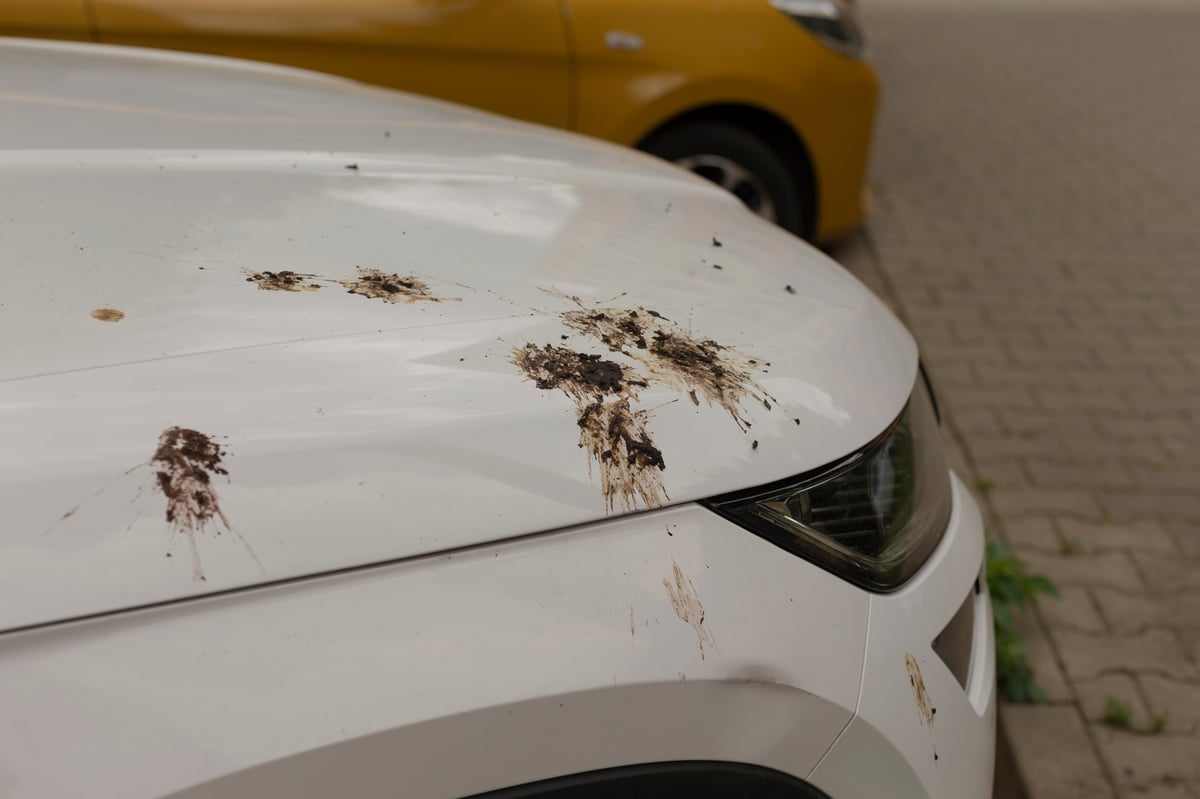
Not every sticky deposit beneath a tree comes directly from the tree.
Resinous deposits, insect-produced honeydew, bird residue, and other contamination often receive the same general description from a vehicle owner. Appearance and parking history provide clues, but a photograph alone does not establish the material.
NC State Extension’s crape myrtle aphid guidance explains that aphids produce honeydew and that heavy deposits affect objects beneath the tree, including cars. A broad sticky film beneath a tree therefore deserves assessment rather than an automatic assumption about resin.
Record whether you see isolated raised blobs, fine scattered dots, or a wider film. Note where the vehicle was parked and whether the problem appears after returning to that location.
Those details help a detailer choose the next step and help you review the source of repeated exposure.
A vehicle combines materials with different care requirements.
Sticky residue on glossy paint needs a different product check from residue on a headlight, decal, rubber seal, wrap, or window. An applied ceramic coating or protective film adds another set of instructions.
Write down the affected areas before cleaning. If the car has a specialty finish or recent paintwork, include that information in the assessment.
Check the vehicle manual and any care instructions supplied with aftermarket protection. Do not assume a product suitable for ordinary painted bodywork also suits every neighboring material.
Stoner’s Tarminator product directions illustrate the issue. The manufacturer gives specific surface restrictions, including clear plastics, decals, and solvent-sensitive materials, and requires compatibility testing.
Use the label for the actual product you have. A general description such as automotive safe does not replace the material-specific directions.
Take a wide photograph of the panel and a close photograph of representative deposits.
Use light that shows the residue without hiding the area in reflection. Include adjacent trim so the detailer sees which materials sit near the contamination.
Record when you noticed the deposits and any cleaning attempted so far. List the products and describe whether the deposits softened, changed appearance, or remained unchanged.
Keep existing scratches separate from the sticky areas in your notes. If a mark appeared during an earlier removal attempt, tell the provider.
For a Greensboro vehicle parked under a tree at home, record whether the same hood or roof section collects fresh residue each time. That pattern helps you address both the cleanup and the exposure.
Clear information is more useful than a general request to polish the sap off.
Leaving a known contaminant on the vehicle while continuing normal use delays the assessment.
Ford’s exterior care instructions direct owners to remove tree sap and other deposits promptly to avoid paint surface damage. The same guidance emphasizes material-specific care and approved products.
Prompt attention means arranging an appropriate cleanup. Prompt attention does not require immediate scraping or an untested household solvent.
If you have the correct supplies and understand the instructions for the finish, prepare a controlled cleaning session. If the surface is uncertain or the contamination covers several materials, book an assessment.
Keep the goal specific: remove the deposit through a suitable process, then inspect the finish. That order supports a more useful decision about any further work.
Acting quickly protects the finish, but the method still matters. A controlled, material-appropriate cleanup beats aggressive scrubbing or an untested solvent every time.
Preparation helps you see the deposit and work around the surrounding material.
Choose a location and panel condition consistent with the product instructions. Avoid treating hot bodywork or working where the cleaner dries before the stated removal step.
Rinse and wash using the vehicle’s approved care method. Remove loose contamination before focusing on the bonded residue.
Stoner’s sap removal guide describes preparation, a small compatibility test, and gentle removal. For application details, follow the current product label for your exact formulation.
Set out the required towels, water, and approved cleaner before starting. Plan a small area rather than applying a product across the entire vehicle at once.
After the preliminary wash, inspect the residue again. Some contamination requires a different follow-up from the material you first expected to find.
Two products marketed for sap removal do not necessarily share application instructions.
Check approved surfaces, testing requirements, contact time, removal method, rinsing, and protective equipment before opening the container.
A longer contact time is not automatically more effective or appropriate. Follow the label’s limit rather than extending the treatment based on another product’s instructions or a general online tip.
Apply the product only as directed and keep the treatment controlled around adjacent materials. Complete the stated removal and rinse steps before inspecting the area.
If the current label conflicts with a general article or older advice, use the current product instructions and contact the manufacturer when clarification is needed.
Do not combine several cleaners in an attempt to create a stronger treatment. Choose a compatible process and assess the result before deciding another step.
A small test provides information about compatibility and the deposit’s response.
Select the test location according to the product directions. Review the appearance after the prescribed treatment and removal steps.
Check whether the residue changed and whether the surface itself looks different. If the deposit remains firmly attached, avoid turning the test into repeated forceful rubbing.
Ask for a professional assessment when the process does not produce the expected response or when the finish is uncertain.
For example, a hypothetical Greensboro owner notices hardened deposits near a hood decal. The owner photographs the area and requests an assessment before treating the paint and decal with the same remover. The detailer then has the information needed to choose compatible work.
That sequence gives the condition and materials priority over an assumed universal cleanup method.
A clay treatment addresses certain bonded surface contamination, but that description does not establish the correct method for every raised deposit.
Meguiar’s Smooth Surface Clay Kit information includes tree sap mist among the contaminants the product addresses. Fine contamination and larger hardened deposits still need their own assessment.
Discuss what remains after suitable washing and any approved chemical treatment. Ask whether the surface needs further decontamination and which method fits the finish.
Do not choose a clay bar simply because a deposit feels rough. Product instructions, the type of material, and the existing surface protection belong in the decision.
Sparkle NC lists clay treatment among its detailing services. Describe the residue and ask for an assessment before assuming that service matches the entire problem.
A removed deposit and a corrected finish represent different outcomes.
Once the surface is suitably cleaned and dry, inspect the area under consistent light. Look for a remaining outline, discoloration, haze, or scratches.
Record the appearance without assuming every remaining mark comes from the same cause. Some marks existed before the deposit, while others require further assessment.
Ask the detailer to explain the remaining condition and the expected benefit of another service. A clean panel provides a clearer basis for that discussion than a panel still covered in residue.
Use the original photographs to compare the area. Keep the lighting and viewing angle similar so reflections do not create a misleading before-and-after impression.
The next decision should follow the inspected result.
Polishing is a separate stage of care with its own surface and condition requirements.
If a remaining defect warrants review, ask which panel or area needs treatment and what improvement the provider expects. Discuss the finish’s suitability before approving correction.
Sparkle NC’s paint correction guide describes its assessment and polishing services. Use that information to prepare questions about your vehicle rather than selecting correction solely because sap was present.
Ask whether the work targets a specific area or the broader finish. Confirm which marks the provider expects to improve and which require another type of repair or review.
Keep the scope clear. Deposit removal, paint correction, and adding protection are different tasks even when they appear within one appointment.
If the vehicle already has wax, sealant, a ceramic coating, or protective film, tell the provider before removal.
Ask whether the planned treatment affects that protection and what maintenance follows. Keep the installer’s instructions available when discussing a coated or film-covered vehicle.
If the car has no known protection, discuss suitable options after the surface is cleaned and assessed. Protection should follow the condition review and any agreed preparation.
Sparkle NC’s ceramic coating service explains the company’s available coating option. Ask about the preparation and maintenance requirements for your actual finish.
A protection plan still needs a routine for inspecting and addressing fresh contamination. Choose the service around your vehicle’s use and care instructions rather than treating protection as permission to leave deposits unattended.
The cleanup is easier to maintain when you also review the exposure.
If the same tree-covered parking space repeatedly leaves residue on the car, try another location where available. Compare the vehicle’s condition after similar periods of parking.
At home in Greensboro, inspect the roof, hood, and glass after parking under the location associated with the deposits. At work or while visiting family, note whether a different space changes the pattern.
Avoid identifying the contamination solely from the tree’s name. If a broad sticky film keeps returning, local Extension resources offer information about honeydew and related plant pests.
For vehicle care, the immediate task is to reduce repeated exposure and address deposits through the approved cleaning process. Keep any tree or pest assessment separate from the detailing appointment.
Choose a routine based on where the vehicle parks and what you observe.
Look at the areas that previously collected deposits. Address new contamination according to the finish and product instructions rather than waiting for an unrelated detailing date.
Keep the approved supplies together and replace soiled cleaning materials as required. Record the products used so the detailer has a useful history at the next appointment.
For a Greensboro owner who also travels to Stokesdale, parking conditions change across the week. Base inspection on those exposures rather than assuming one calendar interval fits every location.
If deposits recur or earlier marks remain unclear, request another assessment with updated photographs. A record of location and response helps the provider understand what changed.
Start by documenting the residue and identifying the surface. Use the current product and vehicle instructions, complete controlled cleaning, and assess the finish before selecting further work.
For tree sap removal in Greensboro, NC, contact Sparkle NC or call (336) 417-3886. Share the affected areas and the vehicle’s protection history so the team understands the condition before recommending service. Sparkle NC provides mobile detailing in Greensboro, High Point, Winston-Salem, and throughout the Piedmont Triad.