Greensboro winters rarely deliver deep snow, but the roads still get treated. Brine goes down before a forecast, salt follows icy mornings, and the spray from traffic lands on every lower panel and wheel.
The right time to prepare is before the first treatment cycle begins. Once the roads are coated, you shift from preparation to repeated cleaning.
This guide covers winter car detailing in Greensboro, NC — inspecting existing protection, cleaning wheels and lower panels, choosing winter paint protection, planning washes around salt and brine, and maintaining a coated vehicle through the season.
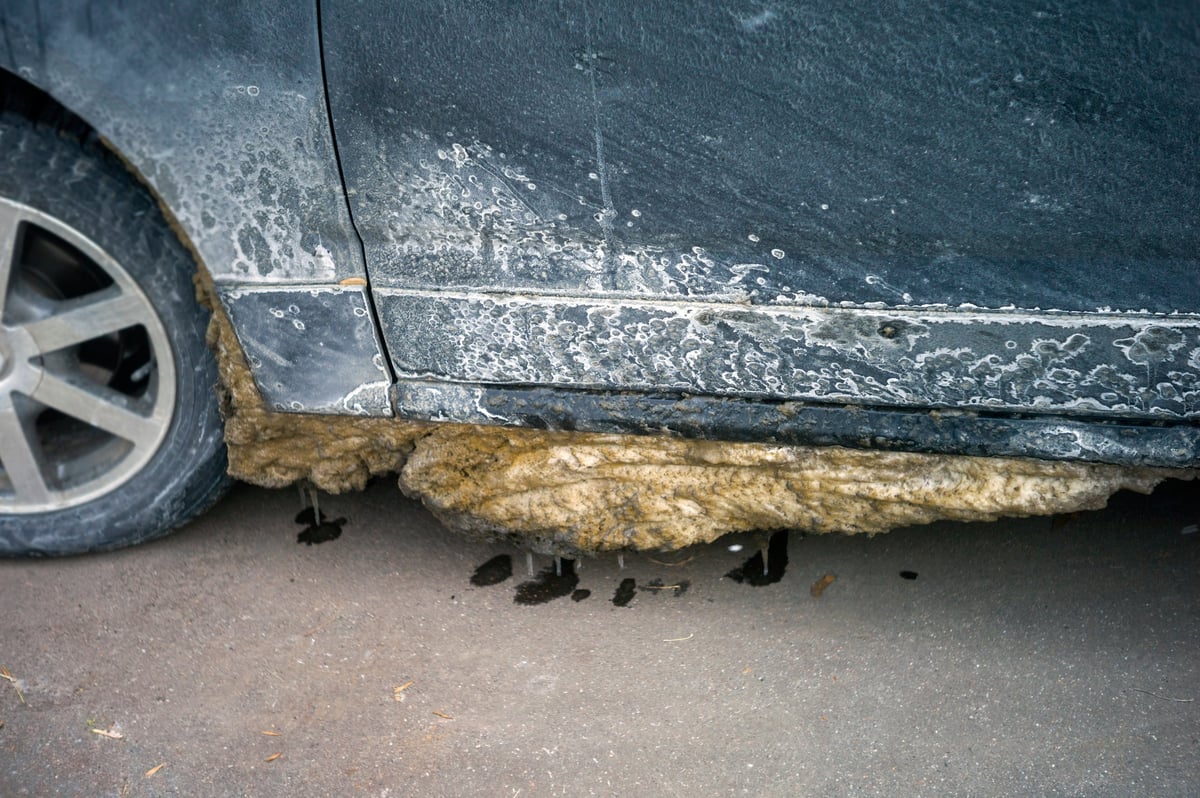
Start by establishing what is already on the vehicle. You cannot decide what protection to add without knowing what remains from last season.
Wash the vehicle properly first. Inspect after drying, in daylight, with the panels clean enough to judge.
Look for these conditions:
Write down what you find and photograph it. If a coating was installed by a shop, keep the installer’s documentation available — the maintenance requirements belong in every conversation about the finish.
If you do not know whether the car has any protection, say so when booking. An assessment can identify the current state before anyone recommends a service.
Winter contamination concentrates where the vehicle meets the road spray. Wheels, arches, rocker panels, and the rear bumper collect the heaviest buildup.
Use separate tools for wheels and paint. A mitt that has touched a wheel should not return to the bodywork, because brake dust and grit scratch clear coat.
Clean the wheel faces, the barrels where accessible, and the arches. Pay attention to the area behind each wheel and along the bottom edge of the doors, where spray accumulates out of sight.
Warm weather residue from summer’s bug splatter and the film left by holiday travel belong to the same cleanup. Sparkle NC’s post-Thanksgiving guide covers road grime removal after long drives.
Check the drain channels and the area beneath the hood at the base of the windshield. Debris trapped there holds moisture, and moisture matters more as temperatures drop.
If bonded contamination remains after washing, that is a decontamination question rather than a washing question. Discuss it before applying any protection, because a protective layer over contamination will not perform as intended.
More durable protection is not automatically the right choice. The decision depends on the finish, how the vehicle is used, and how much maintenance you will realistically do.
Shorter service life and simpler application. Reasonable for a vehicle kept under cover or driven less in treated-road conditions.
Longer-lasting protection that requires proper preparation before application and specific maintenance afterward.
Physical protection for high-impact areas. Needs its own care instructions and compatibility checks for any product used near it.
A legitimate option when the paint is already compromised or when budget is better spent on cleaning before winter begins.
Sparkle NC’s ceramic coating service explains the available option. If you are comparing choices, the ceramic coating value guide covers cost and expected benefit in more detail.
Ask what maintenance the protection requires and how winter conditions affect it. A coating changes how often you wash, not whether you wash.
Cleaning and protecting before the first brine treatment costs less than removing winter contamination in February. The panel condition you start with is what protection is applied over.
Once treatment begins, washing becomes a maintenance habit rather than a seasonal event.
Wash after the roads have been treated, particularly after spray has dried on the panels. Dried brine leaves a visible film along the lower body and wheels.
Choose conditions deliberately. Above-freezing temperatures, no active precipitation, and no immediate refreeze forecast are more sensible than washing when standing water may freeze around doors, seals, and locks.
Rinse the underside where your wash method allows. The rockers, arches, and lower edges hold the most contamination, and those are the areas that matter most during salt season.
Dry the vehicle rather than leaving it wet in cold air. Water that sits in gaps and around trim can freeze, and doors and seals may not appreciate it.
Be realistic about automated car washes. If you use one, confirm what it applies and whether the process suits your protection. A wash that conflicts with your coating’s maintenance instructions is not a shortcut.
Keep a simple record of when you washed and what the panels looked like. Photographs taken after each wash make it easier to notice a trend rather than discovering a problem in March.
A coated vehicle still needs washing. The coating reduces how strongly contamination bonds — it does not eliminate the need to remove it.
Follow the installer’s maintenance instructions for the specific coating on your vehicle. Coatings differ, and general advice does not replace the product documentation.
Use the approved wash method and products. Avoid anything abrasive, and do not assume a stronger cleaner compensates for less frequent washing.
Watch the water behavior through the season. If beading changes noticeably or the surface stops shedding water in areas that previously performed well, that observation is worth mentioning at the next appointment.
If the coating needs a decontamination wash or a maintenance service, ask which product and process the installer recommends. Sparkle NC’s coating package guide covers what a longer-term coating involves.
Keep the coating’s care requirements separate from the coating’s marketing claims. The documentation for your specific product is the useful reference.
A fixed interval does not fit every driver. Build the schedule around actual exposure.
A vehicle parked outside and driven daily on treated roads needs more frequent washing than one kept under cover and used mainly on clear days.
Build the plan around these questions:
Schedule a professional detail once the worst of the season passes. Late winter is a sensible point to remove accumulated contamination and reassess the protection before spring.
A few details help the provider plan the work before the vehicle arrives.
Note the year, make, and model, along with any known protection and when it was applied. Mention film, wraps, or recent paintwork separately.
Include photographs of the lower panels, wheels, and any area that concerns you. Daylight photographs of a clean panel are the most useful.
Confirm the service location and access. Sparkle NC provides mobile detailing across Greensboro and the surrounding Triad, so the actual parking situation matters for a winter appointment.
Spring is the right moment to judge how the vehicle came through winter.
After a proper wash, inspect the lower panels, wheel arches, and front end under consistent light. Compare with the photographs you took in the fall.
Ask about anything that remains, and whether the next step is another cleaning stage, correction, or renewed protection. If defects are visible, the paint correction guide explains how a finish is assessed.
Keep the records from the season. A short history of washes, products, and observations gives the next appointment a much better starting point.
Inspect what protection remains, clean the wheels and lower panels, and choose winter protection that fits your vehicle and the maintenance you will actually do. Then plan washes around salt and brine exposure rather than waiting for spring.
For winter car detailing in Greensboro, NC, contact Sparkle NC or call (336) 417-3886 to arrange exterior detailing, a ceramic coating consultation, or a maintenance wash plan. Share photographs and your protection history so the team can recommend the right service before winter roads are treated.